Why Continuous Monitoring Is Essential for Modern Supply Chain Compliance

Continuous monitoring refers to the systematic process of continuously assessing and analyzing the performance and compliance of a supply chain in real time. This proactive approach is crucial in today's fast-paced markets, where delays or deviations can lead to significant disruptions. By implementing continuous supply chain monitoring, companies gain instant insights into their operations, enabling them to anticipate and address potential issues before they escalate.
Continuous Monitoring vs. Traditional Approaches
The differences between continuous monitoring and traditional compliance or audit methods highlight how continuous approaches provide more proactive, real-time risk and compliance management. Traditional compliance and audit methods rely on periodic reviews, scheduled assessments, and retrospective reporting to determine whether supply chain operations comply with regulatory requirements and internal policies. These conventional approaches typically involve manual data collection, analysis of historical records, and infrequent audits, often conducted annually or quarterly. As a result, any compliance gaps, process deviations, or emerging risks may remain undetected for extended periods, only becoming apparent after the fact. This reactive model can leave organizations exposed to regulatory violations, operational disruptions, or reputational harm before corrective action is taken. In contrast, continuous monitoring transforms compliance management from a static, point-in-time activity into a dynamic, ongoing process. By leveraging automated tools and real-time data integration, continuous monitoring systems provide constant oversight of supply chain activities, instantly flagging anomalies, deviations, or compliance breaches as they occur. This real-time visibility enables businesses to identify and address issues proactively, reducing the likelihood of non-compliance and minimizing the potential for legal or financial penalties.
Moreover, continuous monitoring offers a more holistic and agile approach to risk management. Instead of waiting for scheduled audits to uncover issues, organizations can respond immediately to changes in regulations, supplier performance, or operational conditions. Automated alerts and customizable dashboards ensure that key stakeholders are kept informed and can act quickly to mitigate risks. This proactive stance not only enhances regulatory adherence but also supports continuous improvement by providing actionable insights into process inefficiencies and emerging threats. The shift from traditional, periodic audits to constant monitoring empowers organizations to maintain a resilient and compliant supply chain. It fosters a culture of accountability and transparency, ensuring that compliance is not just a box-ticking exercise but an integral part of daily operations.
The Role of Continuous Monitoring in Ensuring Supply Chain Compliance
Identifying Compliance Gaps in Global Operations
In global operations, regulatory frameworks vary significantly across borders. Continuous tracking enables companies to stay informed about these changes by providing real-time insights into compliance status across all operational territories. This proactive approach is essential not just for adhering to legal standards but also for maintaining the integrity and reputation of the business. Implementing such monitoring systems ensures compliance issues are identified and rectified before they can escalate into more severe problems.
Real-Time Monitoring for Regulatory Adherence
The dynamic nature of global markets necessitates real-time monitoring of supply chains. Monitoring forms are crucial for ensuring that all parts of the supply chain adhere to regulatory requirements that may change rapidly. Real-time data collection and analysis allow businesses to adjust their operations to maintain compliance as market conditions or regulations evolve. This capability is especially crucial in the pharmaceutical and food and beverage industries, where compliance with safety standards is directly tied to public health.
Enhancing Transparency Across Supply Chain Networks
Transparency is fundamental in modern supply chains, and monitoring supply chain risks plays a critical role in achieving it. By continuously tracking goods, transactions, and interactions across the supply chain, companies can give stakeholders visibility into sourcing, labor practices, and environmental impacts. Such a level of transparency helps meet regulatory compliance and boosts trust among consumers and partners, which is increasingly becoming a competitive differentiator in business.
Proactive Risk Detection and Mitigation Strategies
Continuous compliance in supply chains entails proactive risk detection and mitigation to effectively manage potential disruptions. Leveraging data analytics and monitoring technology can predict and mitigate risks ranging from supplier failures to logistical delays. A proactive approach also helps maintain smooth operations and avoid costs associated with supply chain disruptions. It also ensures that compliance standards are consistently met, safeguarding the company against legal penalties and loss of goodwill.
Reducing Manual Errors with Automated Monitoring
Automated systems can continuously check for discrepancies in invoices, shipments, and regulatory filings much more efficiently than human counterparts. This not only speeds up the compliance verification process but also frees up human resources to focus on more strategic aspects of supply chain management. Automation in monitoring ensures higher accuracy in compliance-related tasks, enhancing overall operational efficiency.

Key Components and Technologies
Continuous monitoring in supply chains relies on a foundation of key components and enabling technologies that work together to deliver real-time oversight and rapid response to issues. Understanding these elements is crucial for building a resilient, compliant, and efficient supply chain that can adapt to today’s dynamic regulatory and operational landscape.
- Inventory Tracking Systems: Real-time inventory tracking systems enable organizations to monitor stock levels, raw materials, and work-in-progress items across all locations. These tools help prevent stockouts, reduce excess inventory, and support accurate order fulfillment, ensuring compliance with service and regulatory standards.
- Supplier Performance Monitoring: Continuous monitoring of supplier performance involves tracking key metrics such as on-time delivery rates, quality scores, and compliance adherence. Automated alerts notify teams of deviations, allowing for immediate corrective actions and fostering reliable, compliant supplier relationships.
- Automation Capabilities: Automation streamlines compliance monitoring by reducing manual intervention in data collection, analysis, and reporting. Automated workflows ensure consistent application of compliance checks, minimize human error, and free up staff to focus on strategic supply chain initiatives.
- Proactive Alert Systems: Proactive alert systems are configured to send immediate notifications when predefined thresholds are breached, such as delivery delays or compliance violations. These alerts enable rapid response, minimize disruption, and ensure that critical issues are addressed before they escalate.
- Advanced Tracking Tools: Technologies like RFID, GPS, barcode scanning, and IoT sensors provide granular, real-time visibility into goods, shipments, and assets throughout the supply chain. These advanced tracking tools support seamless data integration and improve traceability for compliance and operational optimization.
- Integrated Data Dashboards: Centralized dashboards consolidate data from multiple sources, offering a comprehensive view of supply chain performance and compliance status. Customizable layouts and real-time analytics empower stakeholders to identify trends, monitor KPIs, and make informed decisions quickly.
By leveraging these essential components and technologies, organizations can achieve continuous oversight, reduce compliance risks, and drive operational excellence. Investing in a robust continuous monitoring framework not only ensures regulatory adherence but also positions businesses for long-term growth and resilience.
Benefits of Supply Chain Monitoring
Improved Supply Chain Risk Management
Continuous monitoring facilitates robust supply chain risk management strategies. By monitoring operations around the clock, businesses can detect anomalies that may signal risks such as supply shortages, delivery delays, or quality control issues. This vigilance enables immediate action, potentially averting significant disruptions that could affect service levels and customer satisfaction. Effective risk management through continuous monitoring safeguards operational continuity and supports long-term business resilience.
Strengthened Supplier Accountability
Monitoring supply chain performance keeps suppliers accountable for their commitments and compliance requirements. Oversight ensures suppliers adhere to contractual terms regarding quality, delivery timelines, and ethical standards. Enhanced accountability fosters a more reliable and compliant supply chain network, critical for maintaining product quality and brand reputation. It provides leverage in negotiations and supplier evaluations, promoting better supplier relationships and performance.
Enhanced Decision-Making with Real-Time Data
Immediate insight into supply chain dynamics allows management to respond swiftly to market changes or operational challenges. Real-time data analysis supports strategic planning and reactive measures, ensuring that decisions are based on the most current and comprehensive information available, optimizing outcomes and competitive advantage.
Selecting and Customizing Monitoring Solutions
Choosing the right continuous monitoring tools requires a strategic approach tailored to your industry’s unique demands. Begin by evaluating solution features, such as automation, real-time data integration, and customizable alert systems, to ensure comprehensive oversight. Assess scalability to confirm the platform can accommodate business growth and increasing data volumes. It’s essential to align tool capabilities with your organization’s specific compliance requirements, considering industry regulations and internal policies. Customizing monitoring strategies, such as configuring dashboards, alerts, and reporting, ensures the solution addresses the operational realities of your sector, supporting both regulatory adherence and business objectives.
Tools and Technologies Enabling Continuous Supply Chain Monitoring
Overview of Supply Chain Monitoring Software
These platforms offer a comprehensive view of all activities, from procurement to delivery, ensuring that every step adheres to compliance standards. These tools offer actionable insights by integrating data from various sources, helping companies optimize their operations. Additionally, monitoring software often features trend analysis and forecasting capabilities, further enhancing operational strategies and compliance management.
Supply Chain Visibility Tools for Compliance
Visibility is key to ensuring compliance with regulations and standards, particularly in industries where safety and quality are paramount. Moreover, these tools facilitate communication across the supply chain, enabling quick responses to operational challenges and maintaining uninterrupted compliance.
Role of Machine Learning and Analytics
Both play a transformative role in modern supply chain technologies. These digital solutions can predict trends and identify patterns that human analysts might overlook. Machine learning algorithms can anticipate supply chain disruptions and suggest preventive measures by processing vast amounts of data. This predictive capability is invaluable for maintaining continuous compliance and operational efficiency in dynamic market conditions.
IoT and Cloud Platforms
Automating supply chain monitoring is significantly enhanced by IoT (Internet of Things) and cloud technologies. IoT devices collect data directly from the physical elements of the supply chain, such as containers and vehicles, providing real-time updates on their status and conditions. Cloud platforms then analyze this data, providing accessible insights from anywhere in the world. Such integration of IoT and cloud technology not only increases data accuracy but also speeds up compliance monitoring.
Setting Up Dashboards and Real-Time Alerts
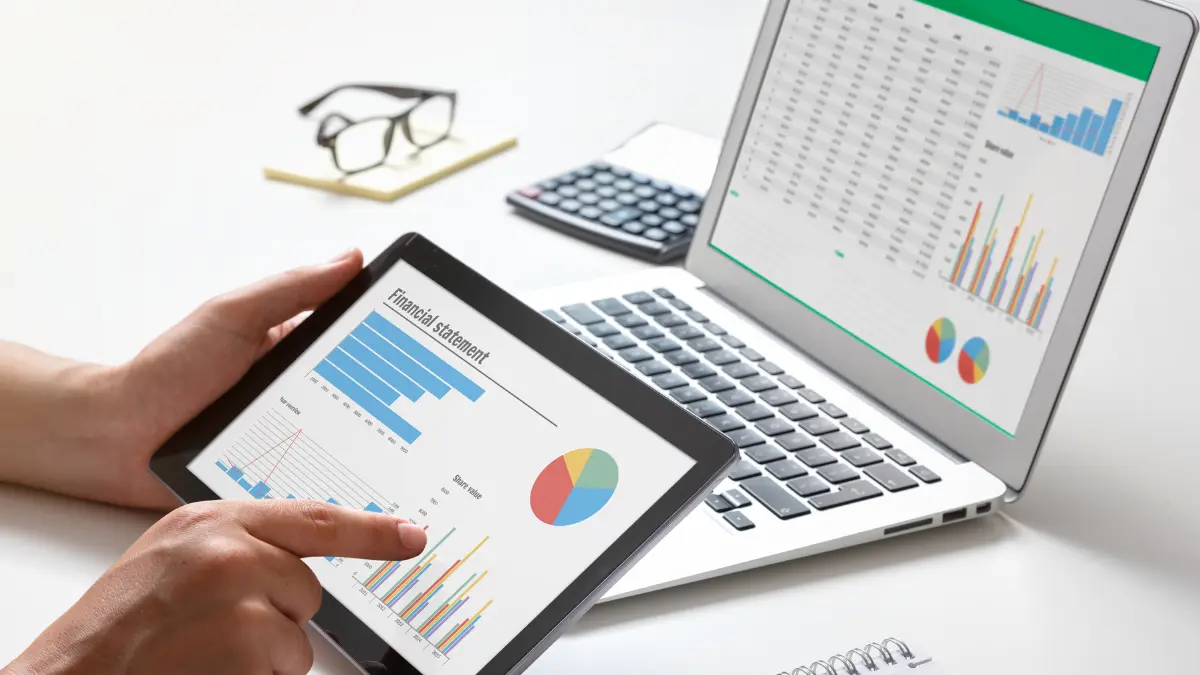
Setting up dashboards and real-time alerts is critical in optimizing real-time compliance monitoring. These systems serve as the operational nerve center, providing a user-friendly interface that displays key performance indicators (KPIs) and real-time data. Here is a breakdown of the process:
- Selection of Key Metrics: Choosing the right key performance indicators (KPIs) is the foundation of an effective monitoring system. These metrics should align with an organization’s strategic goals and operational priorities. Common KPIs include supplier delivery accuracy, order fulfillment rates, production downtime, and inventory turnover. For compliance-driven industries, additional metrics such as regulatory adherence rates, audit pass rates, and incident response times may be necessary. The selection process should involve cross-departmental input to ensure that the dashboard reflects the needs of all stakeholders. Businesses can eliminate unnecessary data clutter and prioritize meaningful insights by focusing on the most critical KPIs. A targeted approach improves decision-making, helping companies proactively address risks and streamline supply chain performance.
- Integration of Data Sources: Without proper integration, organizations risk data silos that can lead to inefficiencies and blind spots in supply chain management. Modern cloud-based platforms enable seamless data consolidation from enterprise resource planning (ERP) systems, Internet of Things (IoT) devices, and third-party vendor portals. Automated data syncing ensures that information remains up to date, reducing reliance on manual reporting. Businesses gain a comprehensive view of their supply chain monitoring tools by consolidating data from various sources into a single platform. This allows for better coordination and improved response times to potential disruptions.
- Customization of Dashboard Layouts: To maximize usability, dashboards should be customized based on user roles and specific operational needs. Executives may require high-level summaries with trend analysis, while logistics managers may need real-time tracking details and inventory fluctuations. Customization also involves setting up graphical representations such as heatmaps, trend charts, and performance comparisons to enhance data visualization. Many platforms allow businesses to define metric thresholds, enabling quick identification of underperforming areas. A well-structured layout improves navigation, ensuring critical information is immediately visible and accessible.
- Implementation of Real-Time Alerts: Setting up real-time alerts ensures that critical changes in supply chain performance trigger immediate action. These alerts can be configured based on predefined thresholds, such as a sudden drop in supplier fulfillment rates, a regulatory compliance violation, or an unexpected inventory shortage. Alerts can be delivered via multiple channels, including SMS, email, and push notifications, ensuring that the right personnel receive timely updates. Automated alerts reduce reliance on manual oversight, allowing businesses to respond proactively to potential risks. Also, alerts can be categorized based on priority levels, helping teams focus on the most urgent issues first. By integrating automated alert systems, organizations improve operational responsiveness, minimize downtime, and enhance risk mitigation efforts. Common challenges organizations face when implementing continuous monitoring include data management and real-time visibility, along with best practices like automation, regular assessments, employee training, and maintaining thorough documentation.
- Ongoing Evaluation and Updates: Regularly reviewing dashboard settings and alert configurations ensures the system remains aligned with evolving supply chain strategies. This process should include periodic audits to assess dashboard effectiveness, feedback collection from end users, and updates to reflect regulatory changes. Continuous refinement enables businesses to incorporate new technologies, such as AI-driven analytics, to enhance predictive insights. Regular updates also help prevent alert fatigue by fine-tuning notification criteria, ensuring that personnel receive meaningful and actionable alerts. Organizations can stay ahead of emerging risks and optimize supply chain performance over time by maintaining a dynamic and adaptable monitoring system.
Implementing dashboards and real-time alerts is a strategic investment that enhances supply chain visibility and risk management. These tools empower organizations to respond quickly to disruptions, maintain compliance, and drive efficiency, ultimately contributing to a more resilient and agile supply chain.
Strategies for Implementing Continuous Monitoring in Supply Chains
Integrating Monitoring Systems
This strategy involves syncing data from diverse sources such as procurement, logistics, and sales to create a unified view of the supply chain. This integration enables seamless data flow and enhanced communication between departments, ensuring that everyone has access to the same accurate and timely information, which is crucial for maintaining continuous compliance in supply chains.
Leveraging Digital Tools for Seamless Data Collection
Utilizing digital tools for supply chain compliance facilitates the seamless collection and analysis of data across the supply chain. These tools automate the capture of transactional data, supplier performance records, and compliance reports, minimizing the risk of errors inherent in manual processes. The digital collection ensures that data is current and historically accurate, essential for trend analysis and making informed decisions.
Training Teams on Supply Chain Monitoring Best Practices
Practical training ensures that all employees understand the importance of compliance and are equipped to utilize the monitoring systems effectively. Here is how businesses can approach this training:
- Develop Comprehensive Training Modules: A well-structured training program begins with the creation of detailed modules that cover all aspects of supply chain monitoring. These modules should include step-by-step instructions on data entry, analysis, and reporting to ensure that employees fully understand the functionality of the monitoring system. Incorporating case studies and real-world examples helps trainees see how monitoring impacts operational efficiency and compliance. Training modules should address troubleshooting common issues and equip employees with problem-solving skills.
- Customize Training for Different Roles: Not all employees will interact with monitoring tools in the same way, making role-based training essential. For example, supply chain managers may need in-depth data analytics and compliance tracking knowledge, while warehouse staff may focus on real-time reporting and system inputs. Customizing training based on job responsibilities ensures that employees receive relevant and practical instruction tailored to their daily tasks. Role-specific training also enhances engagement, as employees are more likely to retain information when they see its direct relevance to their work. Organizations can develop department-specific workshops or provide on-the-job training to reinforce learning.
- Incorporate Hands-On Learning: Practical, hands-on experience is crucial in ensuring employees fully grasp monitoring processes. Instead of relying solely on theoretical instruction, organizations should integrate real-life simulations that allow employees to practice using monitoring tools. These exercises can include mock compliance audits, simulated data entry tasks, and interactive problem-solving scenarios. Training sessions should also incorporate team-based exercises where employees work together to resolve monitoring-related challenges. Hands-on learning fosters confidence, enabling employees to navigate the system efficiently in real-world situations. Shadowing programs, where less experienced employees learn directly from seasoned professionals, can reinforce learning and encourage collaboration.
- Continuous Learning Opportunities: Real-time monitoring for the supply chain landscape is constantly evolving, with new technologies, regulations, and best practices emerging regularly. To keep teams well-informed, organizations should implement ongoing training programs that provide updates on the latest developments. Regular refresher courses ensure that employees remain proficient in using monitoring tools and understand any system upgrades. Webinars, industry workshops, and e-learning platforms can be leveraged to facilitate continuous learning. Additionally, organizations should foster a culture of knowledge sharing, where employees exchange insights and experiences to enhance collective expertise. Continuous education strengthens monitoring capabilities and demonstrates a commitment to professional development, thereby increasing employee engagement and retention.
- Feedback and Assessment: Organizations should implement feedback mechanisms like surveys, quizzes, and performance assessments to measure training impact. Conducting periodic evaluations allows trainers to identify gaps in understanding and adjust content accordingly. Encouraging employees to share their insights and challenges helps refine training approaches to better meet their needs. By consistently gathering and analyzing feedback, businesses can enhance their training programs, ensuring that employees remain proficient and confident in their monitoring responsibilities.
Investing in employee training is fundamental to the importance of supply chain monitoring systems. Well-trained teams enhance operational efficiency, minimize risks, and ensure regulatory compliance in supply chains, ultimately contributing to a more resilient and well-managed supply chain.

Collaborating with Stakeholders
Collaboration with stakeholders is essential for ensuring compliance in global supply chains. This involves regular communication with suppliers, partners, and regulatory bodies to ensure all parties are aligned with compliance standards and operational expectations. Effective collaboration helps identify potential compliance issues before they become problematic, fostering a proactive approach to supply chain management.
The adoption of continuous monitoring is not merely a regulatory necessity but a strategic advantage that can dictate the success and resilience of modern supply chain compliance monitoring. Companies that embrace this approach will be better equipped to navigate the challenges of a rapidly changing global marketplace, ensuring sustainability and profitability in the long term. The future will belong to those who can turn the data generated by continuous monitoring into actionable insights and strategic foresight, transforming challenges into opportunities for growth and innovation. Discover how an automation platform enables real-time supply chain monitoring and proactive risk management at Certa.ai.