Enhancing Accountability Through CSR Directive

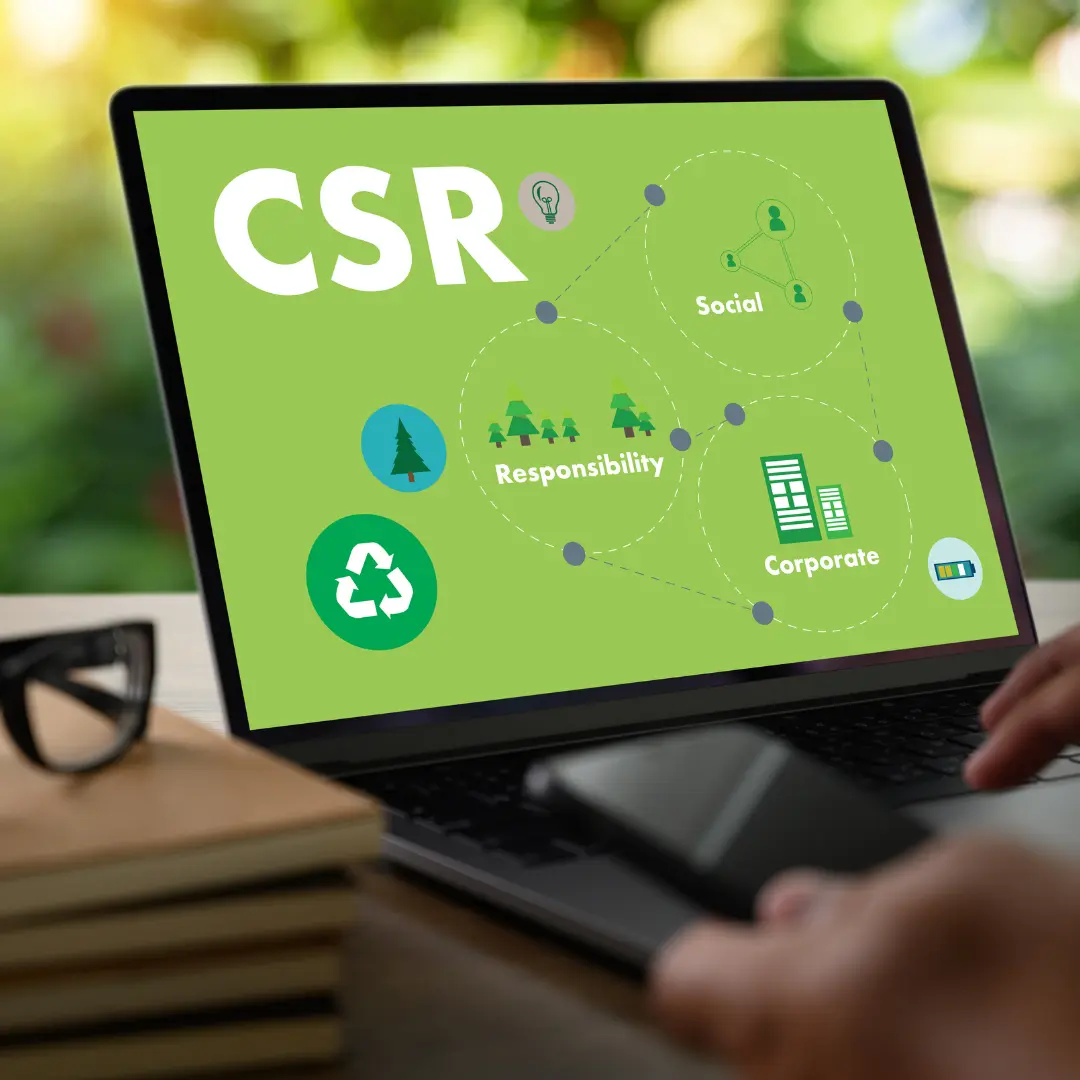
Corporate Social Responsibility (CSR) is a vital aspect of modern business operations. This concept entails companies acknowledging and taking responsibility for their impacts on the environmental, social, and economic aspects of society. CSR has gained prominence, primarily due to stakeholders’ increasing demand for transparency and businesses’ recognition of the long-term benefits of sustainable practices. It's important to understand that one of the key ways to actualize CSR is through directives, which are policies or regulations set by the corporation. These directives are integral to enhancing corporate accountability, a critical factor that bolsters public trust and corporate reputation.
Types of Corporate Social Responsibility
The main categories of CSR each address a distinct facet of a company’s impact and offer practical avenues for meaningful engagement.
- Environmental responsibility is perhaps the most visible form of CSR, focusing on a company’s commitment to minimizing its ecological footprint. Organizations can engage in environmental responsibility by adopting sustainable practices such as reducing greenhouse gas emissions, conserving energy and water, minimizing waste, and utilizing renewable resources. Companies may implement recycling programs, shift to eco-friendly packaging, or invest in clean technologies. Some go further by supporting biodiversity, restoring natural habitats, or participating in carbon offset initiatives.
- Ethical responsibility refers to conducting business in a fair and principled manner, ensuring that all stakeholders—employees, customers, suppliers, and the broader community—are treated with respect and integrity. Companies can demonstrate ethical responsibility by establishing transparent governance policies, upholding human rights, promoting diversity and inclusion, and ensuring safe and equitable working conditions. This also involves responsible sourcing, where organizations avoid suppliers with exploitative labor practices or unsustainable operations. Ethical codes of conduct, anti-corruption measures, and regular audits further reinforce a company’s commitment to doing the right thing.
- Philanthropy is another core pillar of CSR, involving charitable giving and active involvement in community development. Companies engage in philanthropy by donating funds, products, or services to nonprofit organizations, supporting educational or health initiatives, and encouraging employee volunteerism. Many organizations establish corporate foundations or matching gift programs to amplify their impact. Beyond financial contributions, businesses often partner with local communities to address pressing social issues, such as poverty alleviation or disaster relief. Philanthropic efforts not only enhance societal well-being but also cultivate goodwill and bolster a company’s social license to operate.
- Economic responsibility involves making business decisions that balance profitability with the broader interests of society. This includes responsible financial management, paying fair wages, supporting local suppliers, and investing in community infrastructure. Companies can also drive positive change by maintaining transparency in their financial reporting, avoiding unfair pricing practices, and reinvesting profits into sustainable development projects.
By actively engaging in these four categories of CSR, companies demonstrate a holistic commitment to positive social impact, ethical conduct, and sustainable growth.
Examples of CSR in Practice
One standout example is Google, which has integrated sustainability into its core operations. Google’s commitment to achieving net-zero emissions by 2030 demonstrates a comprehensive approach to environmental responsibility. The company invests heavily in renewable energy sources such as wind and solar, and its water stewardship efforts aim to replenish more freshwater than it consumes. Beyond environmental initiatives, Google’s philanthropic arm supports educational and social justice programs worldwide, underscoring a multifaceted CSR strategy. Another notable case is LEGO, whose environmental sustainability practices are woven throughout its business model. The LEGO Replay program, for instance, encourages families to donate used bricks, which are then cleaned and redistributed to children’s organizations. LEGO has set ambitious targets to manufacture all products from renewable or recycled materials by 2030 and collaborates with organizations like the World Wildlife Fund to promote climate action. These efforts highlight how product lifecycle management and partnerships can drive both environmental and social impact.
Starbucks offers a holistic example of CSR in action. The company’s ethical sourcing policies ensure that coffee and other products are obtained responsibly, supporting farmers and promoting sustainable agriculture. Starbucks has also invested in community development, employee education, and well-being initiatives. Its environmental goals—such as reducing carbon emissions, conserving water, and minimizing waste—are embedded in its operations. This integrated approach demonstrates how CSR can be aligned with business objectives to create shared value for stakeholders. Microsoft’s CSR strategy emphasizes technology for social good. The company provides discounted or donated software and grants to nonprofits, helping more than 300,000 organizations access essential technology. Microsoft’s focus on ethical AI, diversity and inclusion, and responsible supply chain management further illustrates the breadth of CSR possibilities.

CSR Directives and Their Impact on Businesses
CSR directives, in essence, are strategic guidelines or policies established by a corporation to define its approach towards sustainable and ethical practices. The directives include various domains, ranging from environmental considerations to ethical business practices. Different types of CSR directives have varying impacts on business operations. Some directives focus on environment-related policies, where a company pledges to reduce its carbon footprint or improve waste management. Other directives focus on social governance, advocating for equal employment opportunities and fostering a healthy work environment. Moreover, ethical business practices are another area where directives could be applied, such as committing to fair trade or anti-corruption measures.
These directives carry significant weight, as they can fundamentally alter business operations. For instance, a robust CSR directive focusing on reducing carbon emissions may prompt a company to switch to renewable energy sources—a change that can ripple throughout the organization, affecting decisions from procurement to product delivery.
CSR’s Impact on Stakeholders
Corporate Social Responsibility (CSR) initiatives have far-reaching effects on a diverse range of stakeholders. For employees, CSR fosters a sense of pride and belonging, often leading to higher engagement, job satisfaction, and retention rates as workers feel aligned with their company’s values and purpose. Consumers are increasingly attentive to the ethical standards of the brands they support; companies with visible and authentic CSR efforts are more likely to attract loyal customers who value sustainability and social responsibility. Investors, too, are placing greater emphasis on CSR as a marker of long-term stability and reduced risk, often favoring companies with robust social and environmental policies. Nonprofits benefit significantly from CSR through partnerships, funding, and volunteer support, enabling them to expand their reach and impact. Finally, society at large gains when businesses commit to responsible practices—CSR initiatives can drive positive change by addressing environmental challenges, promoting social equity, and contributing to community development. By considering the interests and well-being of all these groups, companies not only enhance their reputation but also build a foundation for sustainable growth and shared value.
Building an Effective CSR Directive
Establishing Clear Objectives
One of the vital components of an effective CSR directive is setting clear objectives. Businesses need to identify what they want to achieve, whether it's improving their ESG supply chain, reducing environmental impact, enhancing community relations, or any other CSR-related goal.
Defining the Directive's Scope
Another crucial element is to outline the scope of the CSR directive, which helps businesses specify areas or activities impacted by the directive. For example, a directive focusing on ESG risk management would need to cover all risk-related aspects of the company's operations.
Setting Measurable Targets
Lastly, a robust CSR directive must have measurable targets. This aspect helps in tracking progress and adjusting strategies when necessary. For instance, if a company has a directive to reduce greenhouse gas emissions, it should set specific, quantifiable targets to measure its progress effectively.
Unveiling the Role of ESG Factors in CSR
Environmental, Social, and Governance (ESG) is a framework used to evaluate a company’s operations and performance based on three key pillars: environmental stewardship, social responsibility, and governance practices. ESG criteria are measurable, data-driven standards that investors, regulators, and other stakeholders use to assess a company’s sustainability, ethical impact, and risk profile. While Corporate Social Responsibility (CSR) and ESG are closely related concepts, it is important to recognize their distinctions and how they complement each other in the modern business landscape. CSR refers to a company’s voluntary initiatives and commitments to contribute positively to society and the environment. These efforts are often guided by a company’s values, mission, and desire to build trust with stakeholders. In contrast, ESG offers a standardized and quantifiable set of criteria that enables external parties—such as investors, analysts, and rating agencies—to objectively measure a company’s performance in areas like carbon emissions, labor practices, diversity, and board structure.
The relationship between CSR and ESG is both complementary and synergistic. While CSR establishes the ethical vision and direction for a company’s role in society, ESG provides the tools and metrics to track, evaluate, and report progress toward those goals. A company may set a CSR directive to reduce its environmental impact by minimizing waste and energy consumption. ESG considerations then guide the development of this directive by defining specific metrics and establishing transparent reporting mechanisms. This integration ensures that CSR initiatives are not only aspirational but also actionable and accountable. By aligning CSR directives with ESG criteria, companies can demonstrate to stakeholders that measurable outcomes and continuous improvement back their social and environmental commitments.
Additionally, ESG factors play a crucial role in promoting corporate accountability. Businesses can employ ESG software to report their sustainability metrics. This enables greater transparency in their operations, showcasing their commitment to responsible practices and providing stakeholders with a clear view of their environmental and social performance. Embracing ESG frameworks and accountability measures, organizations foster trust, demonstrate their dedication to sustainable development, and encourage industry-wide responsibility. In essence, ESG factors serve as a compass for CSR endeavors, guiding businesses toward effective and impactful sustainability strategies. The integration of ESG considerations into CSR initiatives reinforces responsible business practices and helps drive positive change across various sectors and industries.
Strategies for Implementing Effective CSR Directives
Embarking on the path of corporate social responsibility (CSR) requires a handful of strategies. We will delve into the key steps of effective CSR initiatives.
A Step-By-Step Approach
To successfully implement impactful CSR directives, businesses should adhere to the following structured, sequential approach, ensuring that sustainability is woven into their core operations effectively and responsibly:
- Conduct a Comprehensive ESG Risk Assessment: Begin by conducting an exhaustive analysis of the potential sustainability risks associated with the company's operations. This first step is crucial, involving a detailed review of environmental, social, and governance (ESG) factors. This process involves identifying vulnerabilities in current practices and pinpointing critical areas that require immediate attention and improvement. Such an assessment not only helps in recognizing the risks but also in understanding the implications these could have on operational efficiency, corporate reputation, and legal compliance.
- Develop Targeted CSR Directives: With a clear understanding of the identified risks, the next step involves formulating precise CSR strategies that are aimed at addressing these issues. This phase is about translating the insights gained from the risk assessment into actionable and strategic directives. Each strategy is designed to tackle specific challenges, ensuring alignment with the company's broader business objectives and market position. To succeed at this stage, sustainability goals and business strategy must be carefully integrated, with an emphasis on those areas that have the most potential to influence both commercial success and sustainability performance.
- Implement the Directives: After strategizing, the focus shifts to the deployment of these CSR initiatives across the company. This step involves detailed planning and integration of the CSR policies into the existing operational framework of the organization. Effective implementation requires training employees, adjusting operational processes, and setting clear guidelines and benchmarks. This stage is critical for ensuring that the CSR directives are not only understood across all departments but are also embraced and acted upon, thereby embedding these practices into the day-to-day activities of the company.
- Monitor and Evaluate Impact: The final step in the CSR implementation process is the ongoing monitoring and evaluation of the initiatives. This continuous review allows the company to measure the effectiveness of the CSR activities and their impact on both internal operations and external stakeholders. Regular assessment helps in identifying successes and areas for improvement, enabling timely adjustments to strategies. This dynamic approach ensures that the CSR efforts remain relevant and aligned with both evolving business goals and societal expectations.
By following these steps, businesses can ensure that their CSR efforts are not only well-planned and effectively implemented but also continuously improved upon. This holistic approach not only enhances the company's sustainability performance but also strengthens its overall market positioning by building trust and credibility with stakeholders.
Common Pitfalls in CSR Initiatives
When developing corporate social responsibility (CSR) programs, companies often encounter several common pitfalls that can undermine the effectiveness and credibility of their initiatives. One of the most frequent mistakes is pursuing CSR activities that are misaligned with the company’s core mission, values, or operational expertise. When businesses support causes or launch programs that have little or no connection to their industry or their values, these efforts can appear inauthentic or opportunistic. Stakeholders are increasingly discerning and can quickly recognize when a company’s CSR initiatives lack genuine alignment. This misalignment not only diminishes the positive impact of the program but can also damage the company’s reputation, leading to skepticism or accusations of “purpose-washing.” Another significant pitfall is treating CSR purely as a marketing tool rather than a genuine commitment to responsible business practices. Companies that use CSR initiatives as short-term publicity stunts or focus solely on the promotional aspects, without embedding social responsibility into their core operations, risk being perceived as insincere. This approach, often referred to as “greenwashing,” can backfire if stakeholders discover that the company’s actions do not match its public statements. Instead of building trust, such tactics can erode credibility and provoke public backlash, especially in today’s environment where transparency and accountability are highly valued.
A lack of clear objectives and measurable outcomes is another common mistake. Some organizations launch CSR programs without establishing specific goals or benchmarks for success. Without clear targets, it becomes difficult to track progress, evaluate impact, or make meaningful improvements over time. This can result in ineffective programs that consume resources but deliver minimal value to society or the business itself. Additionally, companies may fail to engage key stakeholders in the design and implementation of their CSR initiatives. Excluding these groups can lead to missed opportunities for collaboration, reduced buy-in, and programs that do not address the real needs of those they are intended to benefit. Inconsistency in commitment is a frequent pitfall. CSR should be viewed as a long-term, evolving commitment rather than a one-off campaign. Companies that abandon or dramatically change their CSR programs in response to shifting trends or external pressures may lose the trust and support of their stakeholders. To avoid these pitfalls, businesses should ensure their CSR initiatives are thoughtfully designed, genuinely aligned with their mission, transparently communicated, and consistently implemented with input from all relevant stakeholders.
Engaging Stakeholders and Encouraging Continuous Improvement
Implementing CSR directives effectively requires active stakeholder engagement and a commitment to continuous improvement. This involves regularly revisiting the directives and assessing their impact. Gathering feedback from stakeholders, such as employees, customers, and community members, is vital for understanding their perspectives and incorporating their insights. By actively involving stakeholders and making necessary adjustments based on their input, businesses can drive meaningful change and achieve greater CSR success.
Communicating Your CSR Initiatives
Communicating your corporate social responsibility (CSR) initiatives effectively is crucial in today's business environment, where stakeholders, including investors, customers, and the community, increasingly prioritize ethical and sustainable practices. A key practice is publishing an annual ESG report that provides a comprehensive overview of the company's CSR achievements, setbacks, and plans.
In addition to the ESG report, companies can enhance the communication of their CSR initiatives through various other channels and strategies. Utilizing social media platforms, for example, allows for real-time updates and engagements with a broader audience, making CSR efforts more accessible and relatable. Companies can also organize community outreach programs and workshops that involve stakeholders directly in their CSR projects, fostering a sense of community and shared goals. Hosting webinars and round-table discussions with industry experts on relevant CSR topics can further enhance transparency and provide deeper insights into the company’s commitment and challenges in implementing sustainable practices. Moreover, engaging employees in CSR activities and decision-making not only boosts morale but also ensures that the initiatives are well-understood and supported internally, creating advocates within the organization who can further promote the company’s CSR efforts externally.
Leveraging Tools for CSR Monitoring and Reporting
To support the efforts of CSR, a variety of tools and resources have been developed. These tools not only simplify the management of CSR activities but also enhance the effectiveness of reporting and monitoring. Here is a closer look at some of the key tools available:
- ESG Reporting Tools: Environmental, Social, and Governance (ESG) reporting tools are crucial for businesses aiming to enhance their sustainability practices. These tools facilitate the systematic collection, rigorous analysis, and professional presentation of data related to a company’s environmental impact, social contributions, and governance practices. By doing so, they help organizations track their performance against sustainability goals, making it easier to communicate progress to stakeholders and regulatory bodies. Such transparency not only bolsters a company's reputation but also attracts eco-conscious investors.
- CSR Software Platforms: CSR software platforms provide an all-in-one solution for managing an organization’s CSR initiatives. These platforms enable companies to plan, execute, and track CSR activities, ensuring alignment with corporate strategies and goals. Features often include project management tools, volunteer event planning, donation management, and impact reporting. By centralizing these functions, CSR platforms help companies streamline their processes, save time, and increase the overall effectiveness of their CSR efforts. By integrating them, all facets of corporate social responsibility are taken into account and handled in a coordinated way.
- Sustainability Dashboards: Sustainability dashboards offer businesses real-time insights into their environmental impact. These interactive tools aggregate data from various sources to provide a comprehensive view of a company’s environmental footprint, including metrics like energy consumption, waste management, and water usage. By monitoring these key performance indicators continuously, companies can quickly identify areas for improvement and implement changes that reduce their environmental impact. This ongoing monitoring is vital for companies committed to long-term sustainability goals and helps in building a transparent relationship with stakeholders who prioritize environmental responsibility.
- Social Impact Trackers: Social impact trackers are designed to quantify and report on a company’s social contributions and community engagements. These tools measure the effectiveness of social programs, volunteer efforts, and philanthropic initiatives, providing detailed reports on the reach and impact of these activities. By offering insights into how well a company’s social efforts align with its CSR goals, these trackers help businesses adjust their strategies to maximize impact. They also play a crucial role in demonstrating the company’s commitment to social responsibility to stakeholders, enhancing brand loyalty, and community support.
The implementation of these tools not only streamlines the process of managing and reporting CSR activities but also significantly enhances a company's ability to evaluate and communicate the effectiveness of its CSR efforts. As businesses continue to face increasing scrutiny regarding their social and environmental impact, these tools provide a critical means of demonstrating accountability and fostering trust among stakeholders, ultimately contributing to a sustainable and socially responsible business model.
.webp)
CSR Certifications and Standards
In addition to internal tools and reporting mechanisms, many businesses turn to recognized certifications and standards to demonstrate the credibility and rigor of their corporate social responsibility (CSR) efforts. These certifications provide third-party validation that a company’s practices align with established benchmarks for social and environmental performance, transparency, and accountability. Among the most well-known certifications is the B-Corp certification, awarded to companies that meet high standards of verified social and environmental performance, public transparency, and legal accountability. To achieve B Corp status, businesses must undergo a comprehensive assessment by B Lab, which evaluates their impact on workers, customers, the community, and the environment. This certification is not only a mark of distinction but also signals to stakeholders that the company is genuinely committed to balancing profit with purpose.
Another important framework is ISEAL code compliance. ISEAL is a global alliance for credible sustainability standards, and its Code of Good Practice sets the benchmark for how effective, transparent, and inclusive sustainability standards should be developed and implemented. Companies that are ISEAL Code Compliant have undergone rigorous third-party assessments to ensure their standards are robust, credible, and capable of driving real change. This is particularly relevant for organizations operating in sectors with complex supply chains or significant environmental and social impacts, as ISEAL compliance can help build trust with consumers, investors, and partners.
The Sustainability Accounting Standards Board (SASB) standards are also increasingly adopted by businesses seeking to communicate the financial implications of their sustainability efforts. SASB provides industry-specific guidelines for disclosing material sustainability information to investors. By following SASB standards, companies can produce structured, comparable, and reliable data on how their CSR and environmental, social, and governance (ESG) initiatives impact their financial performance. Investors and financial analysts highly value this level of transparency, as it facilitates better decision-making and risk assessment.
Other notable certifications and standards include ISO 26000 for social responsibility guidance, ISO 14001 for environmental management systems, and SA8000 for social accountability. Each of these frameworks offers a different focus, but all serve to enhance a company’s credibility and provide clear benchmarks for continuous improvement. Adopting recognized CSR certifications and standards not only helps businesses differentiate themselves in the marketplace but also signals a genuine commitment to ethical, sustainable, and socially responsible practices. For stakeholders, these certifications offer assurance that a company’s CSR initiatives are not merely aspirational but are grounded in recognized best practices and subject to ongoing evaluation and improvement.
CSR directives play a pivotal role in enhancing corporate accountability. They provide a roadmap for businesses to follow, guiding their journey towards sustainable and ethical practices. By establishing clear objectives, defining the directive's scope, and setting measurable targets, businesses can create effective CSR directives. Utilizing ESG frameworks and tools can further bolster this process, helping businesses monitor their progress, manage ESG risks, and communicate their CSR initiatives effectively. It's time for businesses to fully embrace the potential of CSR directives and make a lasting, positive impact on society.