6 Steps To Mitigate Supply Chain Risks

As the cogs of the global economy turn with increasing speed and complexity, so too do the supply chains that keep businesses afloat. Their complexity and interconnectedness have grown exponentially, reflecting our increasingly globalized and digital world. Supply chain risk management has become an essential practice for every business. As a result, businesses must navigate various challenges and disruptions to maintain smooth operations.
Understanding Supply Chain Risks
Primary Sources of Supply Chain Risks
The sources of supply chain risk are as diverse as the chains themselves. Geopolitical events, like trade disputes or political unrest, can abruptly sever a critical link in a supply chain. Natural disasters, too, can wreak havoc, paralyzing logistics and disrupting production. Logistical errors, such as flawed planning or human errors, may also introduce substantial risks. Lastly, the increased reliance on technology poses its own set of risks, including cyber threats and system failures.
Impact of Supply Chain Disruptions
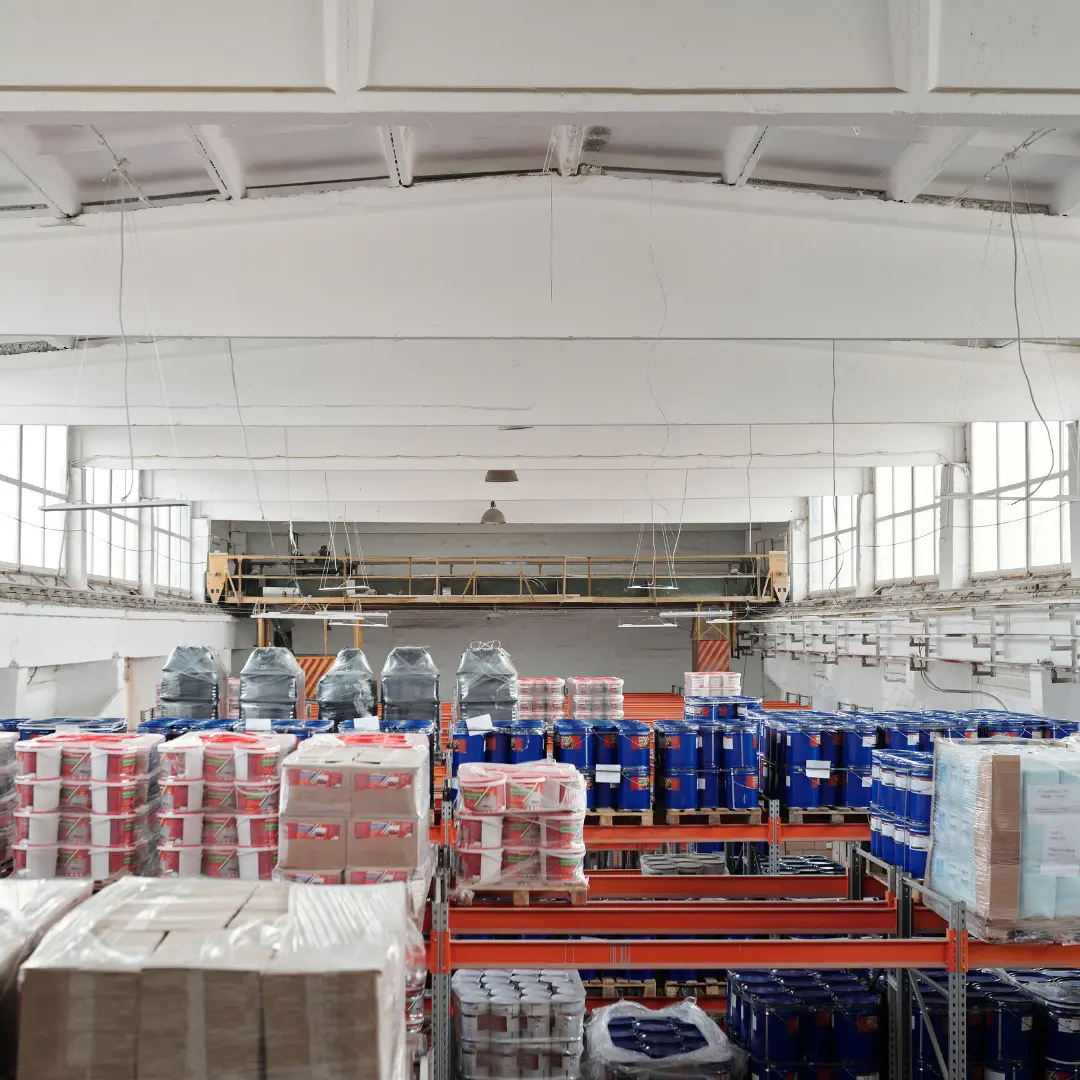
Understanding the potential impacts of these risks is crucial for devising a comprehensive supply chain risk management plan. These disruptions can have far-reaching consequences, affecting everything from production timelines to financial stability. Evaluating these impacts helps organizations prepare and mitigate risks more effectively. Here’s a look at the primary impacts:
- Ripple Effects That Interrupt Production: Supply chain disruptions can cause immediate production halts, but that's just the tip of the iceberg. For example, a delay in receiving essential components such as microchips can stall entire assembly lines, resulting in missed production targets and idle workers. This disruption does not stop at a single point; it cascades throughout the supply chain, affecting downstream processes reliant on the initial outputs. Over time, these interruptions compound, leading to substantial reductions in operational efficiency and total production capacity. Companies may find themselves scrambling to find alternative suppliers or paying premium prices for rush orders, incurring higher costs and operational chaos.
- Increased Operational Costs: When there is a kink in the supply chain, operational costs invariably spike. Firms often have to find alternative sources for materials, generally at higher prices, or pay for expedited shipping to meet looming deadlines. Furthermore, storage costs may balloon if inventory must be held longer due to supply-demand mismatches. There are also increased labor costs involved with managing the disruptions. Workers may need to put in extra hours, or additional staff may need to be hired to ensure quality control and manage logistics under less-than-ideal production circumstances. These elevated costs can severely erode profit margins, putting significant financial pressure on businesses, especially smaller firms with less capital flexibility.
- Significant Delays in Delivery: Supply chain disruptions typically cause significant delays. For retailers, this means that products do not reach the shelves on time, leading to lost sales and customer dissatisfaction. Manufacturers face setbacks as delays in receiving raw materials push back production schedules, impacting their ability to meet order commitments. These delays can harm business relationships, particularly with partners who depend on timely deliveries for their operations. Over time, repeated delays can damage a company's reputation for reliability, making it harder to maintain or establish new business relationships.
- Financial Losses Impacting Profitability: The financial repercussions of supply chain disruptions extend beyond the immediate increase in costs. Firms can face lost sales due to stock shortages, incur penalties for not fulfilling contracts, or need to offer discounts on late products to move them quickly once they arrive. Moreover, the relational cost of such disruptions is high; companies often have to invest in improving their services or in compensating partners and customers for the inconvenience caused. Rebuilding trust and ensuring reliability to prevent future financial losses often requires substantial investments and strategic operational changes.
Companies must assess these potential risks and develop strategies that enhance resilience and responsiveness in their operations. By understanding these critical areas of vulnerability, organizations can better shield themselves against severe financial harm and maintain operational continuity amid supply chain challenges.
Key Steps to Mitigate Supply Chain Risks
Now that we've explored the sources and impacts of supply chain disruptions, it's time to delve into the key steps for mitigating supply chain risk.
Risk Identification
Risk identification serves as the foundational step in any supply chain risk management framework. It involves a thorough analysis and understanding of every component within the supply chain, from the smallest supplier to the largest distribution hub. This process requires a deep dive into the complexities and dependencies that characterize the supply chain. By mapping these relationships and flows, businesses can pinpoint vulnerabilities that could disrupt their operations. Key activities in this phase include gathering data from various sources, engaging with suppliers to assess their operational and financial stability, and evaluating external factors, such as geopolitical or environmental risks, that could affect the supply chain. This comprehensive approach ensures that organizations are well-prepared to recognize and react to potential risks before they escalate into more significant issues.
Risk Assessment
After identifying potential risks within the supply chain, the next step involves a detailed risk assessment. This stage is crucial as it evaluates the potential impact and likelihood of each identified risk, enabling organizations to prioritize their response strategies based on the severity and probability of occurrences. Effective risk assessment involves quantitative and qualitative analyses to measure how different scenarios could affect the supply chain’s efficiency and security.
By understanding which risks could have the most substantial impact, companies can allocate resources more effectively and focus on mitigating significant threats. This prioritization helps build resilience and ensure sustainability in the face of uncertainty, thereby safeguarding the supply chain against a wide array of potential disruptions.
Supplier Relationship Management
In supply chain risk management, maintaining strong and transparent relationships with suppliers is essential. This management facet focuses on developing trust, ensuring transparency, and fostering mutual benefits in supplier interactions. By implementing robust supplier relationship management strategies, including regular communication and collaborative problem-solving, companies can enhance their responsiveness to supply chain issues. Diversification of suppliers is another critical strategy that reduces dependence on a single source, thereby minimizing the risk of major disruptions. Such relationships are crucial for achieving a resilient supply chain, as they help understand suppliers’ capabilities and limitations, enabling quicker adaptations to changing conditions.
.webp)
Risk Mitigation Planning
Creating an effective risk mitigation plan is crucial for the resilience and longevity of supply chains. As businesses face an increasingly volatile global market, understanding and preparing for potential risks is vital. The following steps outline a comprehensive approach to developing a risk mitigation plan, ensuring each measure is specifically tailored to address the identified vulnerabilities effectively:
- Identifying Potential Risks: As discussed previously, a crucial first step in risk mitigation is to thoroughly assess and identify potential risks within the supply chain. Once identified, these risks are categorized by likelihood and potential impact, helping prioritize mitigation efforts.
- Designing Flexible Strategies: Strategies might include diversifying suppliers to avoid reliance on a single source, investing in technology for better data visibility across the supply chain, or developing contingency plans for critical operations. The flexibility of these strategies is key; they must be able to evolve as new information emerges and as the business and its environment change. This adaptive approach ensures that the supply chain remains robust against both foreseeable and unforeseeable challenges.
- Incorporating Resilience Tactics: Building resilience into the supply chain involves incorporating specific tactics designed to reduce vulnerability and enhance the ability to respond to disruptions. This can include establishing alternative supply routes to circumvent potential blockages, increasing inventory buffers to protect against supply delays, and forging new supplier agreements to secure additional resources. Additionally, resilience can be bolstered by improving communication and collaboration across the supply chain, ensuring all stakeholders are aligned and can act quickly when issues arise. These tactics make the supply chain more flexible and responsive, thereby improving overall stability and performance.
- Utilizing Scenario Planning: Scenario planning plays a critical role in testing the effectiveness of the strategies and tactics outlined in the risk mitigation plan. This process involves simulating different risk scenarios to observe how the supply chain would respond under various conditions. The insights gained from these simulations help identify gaps in the strategies and provide opportunities for refinement. Scenario planning also helps train personnel to respond to disruptions and refine communication protocols, ensuring that when real disruptions occur, the response is swift and effective.
- Implementing Proactive Measures: The final step in the risk mitigation plan is to implement proactive measures that equip businesses to manage and navigate uncertainties effectively. This includes adopting advanced analytics for real-time decision-making, regularly reviewing and updating the risk mitigation plan, and providing ongoing staff training. By proactively addressing potential issues before they arise, businesses can maintain operational integrity and ensure the continuity of supply chain operations under various scenarios.
A well-structured risk mitigation plan is a strategic asset for any business that relies on complex supply chains. By following these detailed steps, organizations can enhance their ability to withstand disruptions, maintain continuous operations, and secure a competitive advantage amid uncertainty. This proactive approach not only safeguards the supply chain but also supports the overall strategic objectives of the organization.
Use of Technology in Risk Mitigation
The integration of advanced technologies such as artificial intelligence (AI) and blockchain is transforming supply chain risk analysis management. AI applications can predict potential disruptions by analyzing vast amounts of data on supply chain activities and external market conditions. This predictive capability allows companies to react swiftly to upcoming challenges. Meanwhile, blockchain technology enhances transparency and traceability within the supply chain, providing stakeholders with real-time data on the movement and status of goods. This increased visibility helps monitor compliance, reduce fraud, and improve the reliability of the supply chain. Together, these technologies empower businesses to better manage risks and adapt to new developments efficiently.
Regular Audits and Monitoring
Regular audits and continuous monitoring are critical in the ongoing management of supply chain risks. These activities involve systematic reviews and assessments of the supply chain processes to ensure compliance with established standards and to identify any new or evolving risks. Frequent monitoring allows companies to keep a pulse on the operational health of their supply chains and react quickly to any signs of disruption. This proactive approach helps in maintaining the effectiveness of the risk management strategies in place. Regular audits also foster a culture of continuous improvement, as insights gained can lead to enhancements in risk management practices, ensuring that the supply chain remains robust and responsive to changing market dynamics and operational challenges.
Leadership Teams and Emergency Management Centers
Assembling dedicated leadership teams and establishing emergency management centers are critical steps in effectively coordinating responses during supply chain disruptions. When a crisis strikes, fragmented or decentralized decision-making can slow down response times and lead to confusion, miscommunication, and missed opportunities. By forming a cross-functional leadership team, organizations ensure that all relevant expertise is brought together to assess the situation, make informed decisions, and implement solutions quickly. An emergency management center serves as the central hub for gathering real-time information, monitoring developments, and facilitating seamless communication among team members. This centralized approach helps organizations maintain situational awareness, prioritize actions, and allocate resources efficiently. During events such as natural disasters or global crises, having a clear command structure and a designated space (physical or virtual) for crisis management enables faster, more coordinated responses. There will always be a need for clear communication within organizations and with external partners, as well as the importance of considering long-term strategies for supply chain risk management. It also ensures that both external relationships and internal concerns are addressed simultaneously.
Enhance Inventory and Demand Management
A resilient supply chain begins with effective inventory and demand management. Start by classifying inventory using methods such as ABC analysis, which prioritizes items based on value and turnover rates. This helps allocate resources efficiently and focus on critical stock. Next, implement demand forecasting techniques to anticipate fluctuations and avoid stockouts or excess inventory. Improve inventory management by adopting just-in-time (JIT) systems, safety stock policies, and real-time tracking technologies. These strategies enable businesses to respond swiftly to disruptions and maintain continuity even in volatile market conditions.
Supply Chain Risk Mitigation
Overcoming Geopolitical Disruptions
A notable example of enhancing supply chain resiliency is when a company successfully navigates significant geopolitical risks. Through diligent efforts in supply chain risk assessment and management planning, the company diversified its supplier base, reducing dependence on suppliers from politically unstable regions. This strategic decision proved crucial in mitigating potential disruptions and ensuring the continuity of their supply chain operations.
.webp)
Triumph Over Natural Disasters
In the face of a natural disaster, another company demonstrated its resiliency by effectively utilizing supply chain risk management software. With this technology in place, the company swiftly rerouted shipments to alternative routes and locations, effectively mitigating disruptions caused by the natural disaster. The company's preparedness and ability to adapt swiftly underscored the value of proactive risk mitigation and the importance of robust contingency plans. Companies using Certa’s supply chain risk management software have been able to reroute shipments and minimize disruptions rapidly during unforeseen events.
In today's interconnected and fast-paced global economy, the importance of understanding and mitigating supply chain risks cannot be overstated. Effective supply chain risk management is no longer optional; it is essential for businesses to thrive. It requires constant vigilance to identify and assess potential risks, thorough planning to develop robust contingency measures, and the ability to swiftly adapt to changing circumstances. By embracing the right strategies and utilizing appropriate tools and technologies, businesses can build resilient supply chains capable of withstanding even the most significant disruptions. This proactive approach to supply chain risk management not only safeguards operations but also enhances customer satisfaction, protects brand reputation, and ensures long-term success in an increasingly volatile and uncertain business landscape.
The challenges of managing supply chains in a complex, interconnected world may seem daunting. However, by understanding the risks, devising comprehensive risk mitigation strategies, and harnessing modern technology, businesses can build resilient supply chains. We urge you to examine your supply chains for potential risks and consider implementing the strategies discussed here. By doing so, you too can contribute to a more resilient global economy.